
Transsphenoidal surgery is an operation done through your nose using small cameras and tools. It’s often used to remove tumours in the skull base or nose, take a biopsy, or fix leaks of brain fluid (called CSF). Most commonly, it’s done to remove a pituitary adenoma, which is usually a non-cancerous tumour in the pituitary gland. The pituitary gland is a small part of your brain that makes hormones to help your body work properly, like controlling stress hormones, growth, thyroid, sexual hormones, and how much urine you make. This gland is close to the nerves that help you see, so tumours here can sometimes affect your vision.
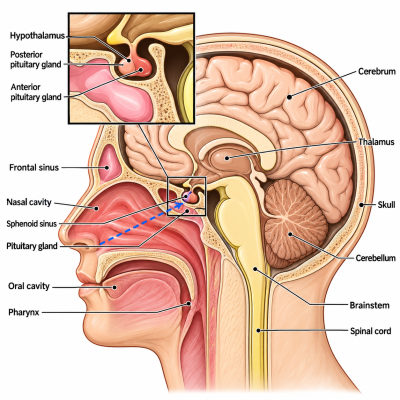
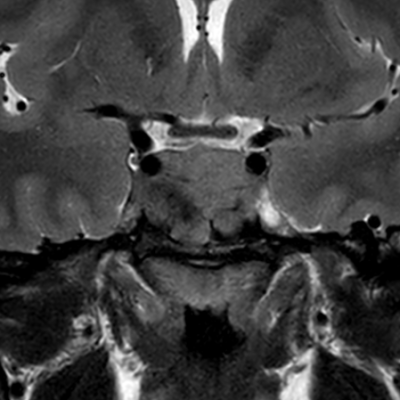
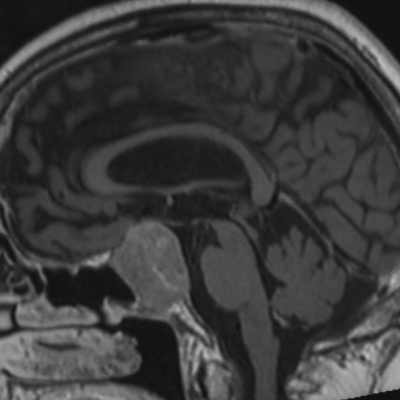
A pituitary adenoma is a growth in the pituitary gland, which is at the base of your brain. These tumours are usually not cancerous but can cause problems by pressing on nearby parts of the brain or making too many hormones. Patients with a pituitary adenoma often need special care, including:

You might have a problem with your shunt if you notice:
If you have any of these signs, contact your doctor, surgeon, or go to the nearest emergency department right away.
Conditions like hydrocephalus or intracranial hypertension can cause:
If you notice these symptoms, talk to a doctor as soon as possible.
You might have a problem with your shunt if you notice:
If you have any of these signs, contact your doctor, surgeon, or go to the nearest emergency department right away.
IMPORTANT FOR ALL PATIENTS.
If you are on any blood thinning medications such as anti-platelet, anti-coagulant or anti-inflammatory medications, they should be stopped one week prior to any surgery. Examples of these medications include plavix, co-plavix, prasugrel, ticagrelor, asasantin, aspirin, disprin, solprin, astrix, cartia, warfarin, pradaxa, dabigatran, rivaroxaban, apixaban, clexane, heparin, celebrex, mobic, naproxen, indomethacin, diclofenac, ibuprofen.
Some diabetes medications need to be stopped up to three weeks prior to surgery. Please discuss with your doctor if you are taking one of these medications.
Similarly, any herbal or natural remedies including (but not limited to) traditional Chinese herbal remedies and prescriptions, naturopathic and homeopathic treatments, and supplements (such as glucosamine, garlic, ginger, ginkgo, ginseng, turmeric and fish oil) should be stopped one week prior to any surgery.
If these medications are not stopped, then your surgery may need to be delayed and rescheduled for reasons of safety. If you are unsure about whether you need to stop any of your medications, please ask your doctor.
Depending on your general fitness and your medical co-morbidities, you may require an assessment by physician specialists and an anaesthetist to assess your safety for surgery, before a decision can be made about your suitability for surgery.
Prior to any surgery, you will need to fast. On the night prior to surgery, your last mouthful of food should be prior to 12 midnight. On the day of surgery, you can sip clear water up until 4 hours prior to your surgery. You may use this opportunity to take medications that your doctor is happy for you to take. Please check with your doctor, what you should do with your medications and write those instructions here.
A member of staff from the hospital or the surgeon’s rooms will contact you up to three days prior to your admission and discuss this with you. They will also discuss your hospital paperwork if this has not been done. This is your opportunity to ask any questions you may have about your upcoming admission.
A pituitary adenoma can cause different symptoms, depending on its size and what it’s doing to your body. Common symptoms include:
If you notice these symptoms, talk to your doctor.
You might suspect a pituitary adenoma if you have symptoms like vision problems, headaches, or hormone changes (like feeling very tired or having irregular periods). However, only a doctor can confirm if you have one. A healthcare professional can provide a comprehensive evaluation, typically involving:
If you’re worried you might have a pituitary adenoma, see your GP. They can refer you to the right specialists for tests and treatment.
IMPORTANT FOR ALL PATIENTS.
If you are on any blood thinning medications such as anti-platelet, anti-coagulant or anti-inflammatory medications, they should be stopped one week prior to any surgery. Examples of these medications include plavix, co-plavix, prasugrel, ticagrelor, asasantin, aspirin, disprin, solprin, astrix, cartia, warfarin, pradaxa, dabigatran, rivaroxaban, apixaban, clexane, heparin, celebrex, mobic, naproxen, indomethacin, diclofenac, ibuprofen.
Some diabetes medications need to be stopped up to three weeks prior to surgery. Please discuss with your doctor if you are taking one of these medications.
Similarly, any herbal or natural remedies including (but not limited to) traditional Chinese herbal remedies and prescriptions, naturopathic and homeopathic treatments, and supplements (such as glucosamine, garlic, ginger, ginkgo, ginseng, turmeric and fish oil) should be stopped one week prior to any surgery.
If these medications are not stopped, then your surgery may need to be delayed and rescheduled for reasons of safety. If you are unsure about whether you need to stop any of your medications, please ask your doctor.
Depending on your general fitness and your medical co-morbidities, you may require an assessment by physician specialists and an anaesthetist to assess your safety for surgery, before a decision can be made about your suitability for surgery.
Prior to any surgery, you will need to fast. On the night prior to surgery, your last mouthful of food should be prior to 12 midnight. On the day of surgery, you can sip clear water up until 4 hours prior to your surgery. You may use this opportunity to take medications that your doctor is happy for you to take. Please check with your doctor, what you should do with your medications and write those instructions here.
A member of staff from the hospital or the surgeon’s rooms will contact you up to three days prior to your admission and discuss this with you. They will also discuss your hospital paperwork if this has not been done. This is your opportunity to ask any questions you may have about your upcoming admission.
Important Note: This information is for educational purposes only and does not replace professional medical advice. If you have concerns about the above, or are experiencing symptoms, please consult with a qualified healthcare professional for proper diagnosis and treatment options.
In Case of Emergency: If you or someone you know experiences sudden, or severe onset of symptoms or other emergency symptoms, call 000 (Australia) or your local emergency number immediately.
This information has been prepared to help you understand your neurological condition better. Your healthcare team is the best source for advice about your specific situation and treatment options.
©2026 Capri Neuro. All Rights Reserved.
Capri Neuro is not an urgent care or after hours service. If you require emergency care, please present to your nearest Emergency Department.